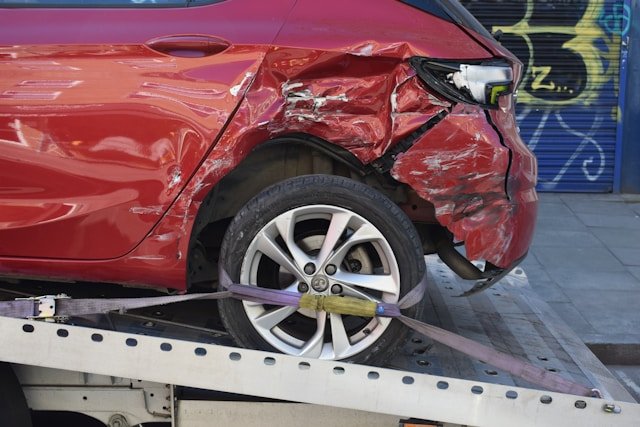
A car accident can shake more than just your confidence behind the wheel—it can also impact your finances in ways that linger long after the damage is repaired. One of the most immediate consequences drivers notice is an increase in their auto insurance premium. In 2026, as insurers continue refining risk models and claim analytics, the financial effects of an accident can be significant.
Understanding how accidents influence your insurance rate—and more importantly, how to recover quickly—can help you regain control. While a rate increase may feel inevitable, there are practical and strategic steps you can take to minimize the long-term impact.
Why Insurance Rates Increase After an Accident
Insurance premiums are based largely on risk assessment. When you purchase a policy, insurers evaluate how likely you are to file a claim in the future. A clean driving record signals lower risk. An accident changes that perception.
At-Fault vs. Not-At-Fault Accidents
The biggest factor in determining how much your rate increases is whether you were at fault.
If you are found responsible for the accident, insurers generally consider you a higher risk moving forward. This can result in a noticeable premium increase at your next renewal.
If you are not at fault, the impact may be smaller—or nonexistent—depending on your insurer and regional regulations. However, in some cases, even not-at-fault claims can influence rates, particularly if multiple claims occur within a short period.
Severity of the Accident Matters
Not all accidents affect your insurance equally. A minor fender bender with minimal damage is treated differently than a serious collision involving injuries or extensive property damage.
Factors that influence the increase include:
- Total claim cost
- Injuries involved
- Number of vehicles damaged
- Whether legal action was required
Higher claim payouts typically lead to larger rate adjustments.
How Much Can Your Premium Increase?
The exact increase varies by insurer, location, and driving history. However, at-fault accidents can raise premiums by anywhere from 20% to 50% or more. For drivers with previous violations, the increase can be even higher.
The increase usually lasts between three to five years, depending on your insurer’s underwriting guidelines. Over that period, you could pay thousands of dollars more in premiums if no corrective action is taken.
Additional Consequences Beyond Rate Increases
Loss of Discounts
Many insurers offer safe driver discounts or accident-free rewards. After a claim, you may lose these discounts, which can further raise your premium beyond the base increase.
Policy Non-Renewal Risk
In cases involving multiple accidents or serious violations, an insurer may decide not to renew your policy. This can force you to seek coverage elsewhere, often at higher rates.
Impact on Future Insurers
Even if you switch providers, your accident history typically follows you. Most insurers access shared claims databases when underwriting new policies.
Immediate Steps After an Accident to Protect Your Rates
While you cannot undo an accident, your actions immediately afterward can influence the financial consequences.
Avoid Filing Small Claims
If the damage is minor and close to your deductible, consider paying out of pocket. Filing small claims can sometimes cost more in increased premiums than the repair itself.
Before filing, calculate:
- Your deductible amount
- Estimated repair cost
- Potential premium increase over three years
In some cases, it may be financially wiser not to file a claim.
Document Everything Carefully
Clear documentation can prevent disputes about fault. Take photos, gather witness information, and obtain a police report when appropriate. Accurate records help protect you if liability is questioned.
Long-Term Strategies to Recover Faster
Recovering from an accident’s impact requires patience and strategy. Here are proven ways to reduce the duration and severity of higher premiums.
1. Maintain a Clean Driving Record Moving Forward
The most effective recovery strategy is simple: avoid further incidents. Insurance companies reward consistent safe driving over time.
Every year without additional violations helps rebuild your risk profile. After three to five claim-free years, many insurers significantly reduce accident-related surcharges.
2. Take a Defensive Driving Course
Completing an approved defensive driving course may qualify you for a discount. More importantly, it signals to insurers that you are committed to safer driving practices.
Some companies even reduce accident surcharges if you voluntarily complete such programs.
3. Shop Around at Renewal Time
Insurance pricing models vary widely. One insurer may heavily penalize a recent accident, while another may weigh it less aggressively.
When your policy is up for renewal, compare multiple quotes. Even with an accident on record, switching providers can sometimes lower your premium substantially.
4. Increase Your Deductible
Raising your deductible reduces your insurer’s financial exposure, which can lower your premium. While this does not erase the accident’s impact, it can offset part of the increase.
Just ensure you have sufficient emergency savings to cover the higher deductible if needed.
5. Improve Your Credit Profile
In many regions, credit-based insurance scores influence premiums. Improving your credit score can help counterbalance accident-related increases.
Focus on:
- Paying bills on time
- Reducing credit utilization
- Avoiding unnecessary debt
Even moderate credit improvements can positively affect your rate.
6. Ask About Accident Forgiveness
Some insurers offer accident forgiveness programs, either as a built-in benefit or optional add-on. If you had accident forgiveness before the incident, your first at-fault accident may not raise your premium.
If you do not currently have it, consider adding it once your record stabilizes to protect against future rate spikes.
7. Consider Usage-Based Insurance Programs
Telematics programs track real-time driving behavior. If you consistently demonstrate safe habits—smooth braking, responsible speeds, and low mileage—you may earn discounts that help offset accident surcharges.
This approach allows you to actively prove improved driving behavior rather than waiting years for rates to adjust automatically.
Timeline for Rate Recovery
Understanding the typical timeline can help set realistic expectations.
Year 1: Highest impact on premium.
Year 2–3: Gradual reduction if no further claims occur.
Year 3–5: Many insurers remove or significantly reduce surcharges.
The key factor is maintaining a clean record during this period.
Psychological Recovery Matters Too
Financial recovery is only part of the process. Accidents can shake confidence and increase anxiety behind the wheel. Taking steps to regain comfort—such as practicing in low-traffic areas or reviewing safe driving techniques—can prevent future mistakes.
Confidence built on awareness and caution reduces both risk and stress.
When an Accident Might Not Raise Your Rates
There are exceptions. Your rate may not increase if:
- You were not at fault and your insurer does not penalize non-fault claims
- You have accident forgiveness protection
- The damage was minimal and no claim was filed
- State regulations restrict rate increases for certain claim types
Review your policy details carefully to understand how your insurer handles accidents.
Final Thoughts
An accident can temporarily raise your insurance premium, but it does not define your driving future. While at-fault incidents typically lead to higher rates, the impact is manageable with smart decisions and consistent safe driving.
Avoid unnecessary claims, explore discounts, improve your credit, and compare providers when appropriate. Most importantly, maintain a clean record moving forward. Over time, insurers reassess risk based on recent behavior, and your rates can gradually return to more favorable levels.
Recovery may not happen overnight, but with patience and strategy, you can reduce the financial effects faster than you might expect.
Author

abdulaleemabdul1122@gmail.com
Related Posts

I Ignored Insurance for Years — Until One Emergency Forced Me to Take It Seriously
I Ignored Insurance for Years — Until One Emergency Forced Me to Take It Seriously What started as confusion — or rather,...
Read out all
Best Auto Insurance Discounts Most Drivers Don’t Know About
Auto insurance is a necessary expense for nearly every driver, but many people pay far more than they should simply because they...
Read out all
Full Coverage vs. Liability: Which Auto Insurance Policy Do You Really Need?
Choosing the right auto insurance policy can feel overwhelming, especially when you’re faced with terms like “liability coverage” and “full coverage.” While...
Read out all
10 Smart Ways to Lower Your Car Insurance Premium in 2026
Car insurance premiums have been steadily rising over the past few years, and 2026 is no exception. Inflation, increasing repair costs, advanced...
Read out all